Kate and Logan's Patient Story: Duchenne Muscular Dystrophy
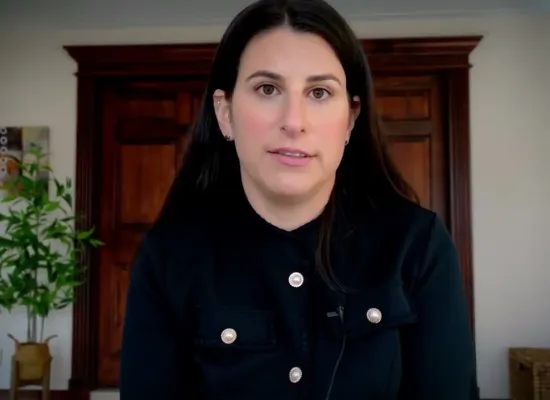
In this emotional video, meet Kate Vander Weele who shares her family’s journey as her 12-year-old son Logan battles Duchenne muscular dystrophy, a rare and fatal genetic disease that causes progressive muscle loss. She recounts his early diagnosis, the daily challenges of his declining mobility, and the emotional, financial, and medical struggles her family faces. Kate calls for greater awareness, faster access to treatments, and stronger support so children like Logan can have the quality of life and future they deserve.
Transcript:
My name is Kate Vanderwheel, and I live in the Chicago suburbs with my husband, Nick. We have two children — our daughter, Grace, who’s 10, and our son, Logan, who’s 12. Logan is currently in the fight of his life with Duchenne muscular dystrophy.
Duchenne is one of the most severe forms of muscular dystrophy. A generation ago, boys with Duchenne were expected to live only into their teenage years. Current interventions are helping them live into their 20s, but it remains a 100% fatal condition. Duchenne is characterized by muscle wasting — the body is missing a shock absorber called dystrophin, which allows muscles to repair themselves. Without dystrophin, once muscle is damaged, it cannot heal. It affects every part of the body — skeletal muscles, the heart, the brain, and breathing. No two days are ever the same because it progresses continuously.
Our journey with muscular dystrophy started early. Logan was diagnosed at age three. At his three-year wellness check, he dropped a toy on the floor and scooted down to pick it up. As he stood up, he walked his hands up his legs to push his body upright — a hallmark sign of Duchenne called the Gowers maneuver. Thankfully, Logan’s pediatrician recognized it immediately. Within an hour, we were back at the office for tests — EKGs, lab work, and a full workup.
Afterward, I took Logan for a hot chocolate to celebrate how brave he’d been. He was so proud, smiling from ear to ear. That moment turned out to be our last good day. The next morning, the doctor called with the diagnosis. “It’s muscular dystrophy,” she said, “and I think it’s Duchenne.”
Nothing prepares you for that call — for hearing that your child is dying and there’s nothing you can do about it.
A few years later, life felt stable again. Logan was thriving at school, bright and creative, doing after-school activities. But soon he started falling more often. He began walking on his tiptoes, his hips pushed out, and his back curved — ways his body compensated as his core, back, and leg muscles weakened.
By March, when he was 10, I helped him out of bed one morning. He stood beside it, his legs shaking. He looked at me and said, “I can’t do it, Mom. I can’t walk.” That was the last time I saw him stand.
Duchenne affects everything in our family — financially, emotionally, mentally, and socially. Getting the right care, support, and resources is incredibly difficult, especially through insurance. Medication is a huge part of Logan’s life. We have a full cabinet of his daily meds — for blood pressure, heart protection, inflammation, and more. Prednisone and other corticosteroids are standard care, but almost everything else we have is paid out of pocket or covered through fundraising. It’s an incredibly expensive condition.
Time is muscle — that’s the message we try to share. We don’t have time to wait. Every decision made by healthcare providers, insurers, and policymakers matters. Delays and bureaucracy cost us more than money — they cost us our children.
I see big things ahead for Logan. He’s smart, driven, and creative. He wants to be an engineer — and I believe he can be. With the right support and resources, he can roll through those doors and achieve anything. I just hope that medical advances come soon enough to give him the long, full life he deserves.
Featured News & Resources
See Full CalendarAward Applications Open
AMCP eLearning Day: Nexus Encore
Upcoming Events
AMCP offers a wide variety of educational opportunities, from events and webinars to online training.