Troyce's Patient Story: Hereditary Angioedema

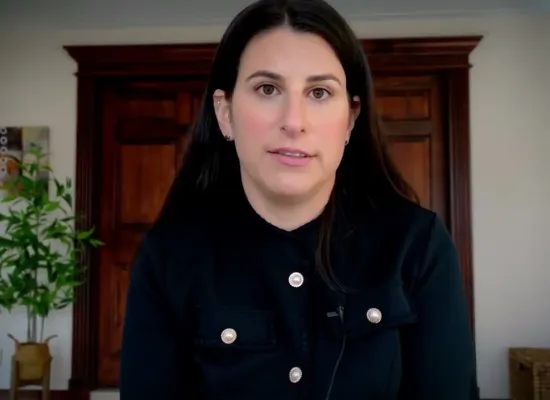
In this video, Troyce Venturella of Orlando, Florida, shares her journey living with hereditary angioedema (HAE), a rare genetic condition that causes unpredictable and potentially life-threatening soft tissue swelling. HAE can affect the hands, feet, internal organs, and most dangerously, the throat, where swelling can block the airway. Although Troyce began experiencing symptoms at age eight, she was not diagnosed until she was 24. For years, her swelling was misattributed to allergic reactions or minor injuries, and treatments like antihistamines were ineffective. As her condition worsened, she experienced recurrent laryngeal swelling and was intubated five times before a perceptive emergency room physician finally identified HAE through bloodwork. Before effective therapies were available, she underwent a tracheostomy to protect her airway, which, while frightening, reduced the repeated trauma of emergency intubations.

When the first HAE treatments became available in the United States in 2009, Troyce faced new challenges, including insurance approval, prior authorizations, and the logistical burden of frequent IV infusions. Ultimately, she transitioned to home administration, which gave her greater flexibility and independence. Although HAE remains incurable and requires lifelong management, access to treatment has allowed her to remove her tracheostomy and pursue opportunities she once thought impossible. Connecting with the Hereditary Angioedema Association transformed her outlook, providing community and purpose through advocacy. Troyce emphasizes that while every HAE journey is different, every story matters, and she proudly describes herself as thriving while living with hereditary angioedema.

More Patient Stories

Transcript: 

My name is Troyce Venturella. I live in Orlando, Florida, and I live with hereditary angioedema, or HAE.

HAE is a condition where an individual cannot prevent soft tissue swelling in their body. It could be your hands, your feet, internal organs, or genitals. The most serious is when it’s laryngeal, or in your throat area, because that is life‑threatening when your airway is cut off by swelling.

My story with HAE is different than others, and I would like to say that everyone’s story is a little bit different. I was not diagnosed with hereditary angioedema until I was 24 years old. However, I did have symptoms starting when I was about eight years old. We didn’t know what they were. One doctor said, “Oh, you just got a bee sting,” or, “Oh, you just bumped your toe.” They would give me Benadryl, and it would make me sleepy, but my swelling would still be there.

Then I started having laryngeal swelling, and at one point I was intubated. By the time I was 23, I had been intubated five times, and still no one knew what was going on.
One time I went to the ER, and there was a young doctor who said, “I think I know what’s wrong.” And I literally said, “Okay, sure—could you just give me my IV fluids and something for the nausea?” because I had been through it so many times. He did some blood work, and a week later that same physician called me and said, “You have hereditary angioedema.”

For the first time in years, I knew I wasn’t crazy. There wasn’t a lot of hope at that time, because there really wasn’t anything to take for it back then. There was a steroid. I did try that, and it didn’t work. So at that point, they put a tracheostomy in me. I had a little plug—just pop that little plug, and I could breathe.

While it was scary, it actually gave me some relief knowing that every time I had swelling, I didn’t have to go get intubated.

When treatment finally became available in the United States in 2009, it was a very exciting time. But there were still some challenges. Would my insurance company cover this new biologic medication? How do I get it into my body? It was an IV, and it was required to be administered every three days.

As we looked at how we were going to get the medication, the infusion center at the hospital was the recommendation by our insurance company. But it became a burden to schedule times around our lives. So we decided that we would administer our medication at home.

Over time, I was able to have my trach removed. I’ve been able to do a lot of things that I never dreamed I would be able to do. But hereditary angioedema is not a curable disease. I will have it as long as I’m alive. And every year, prior authorizations and the denial-and-appeal process become a little disheartening for something that is not curable.
My journey changed a lot when I first got connected with the Hereditary Angioedema Association. I felt like I had found a family, and I wanted to do whatever I could to help others not feel all alone.

I like to tell my story, and I want other people to tell their story and realize that all of our stories are different—but everyone’s story is important.
My name is Troyce Venturella, and I’m thriving while living with hereditary angioedema.

Related