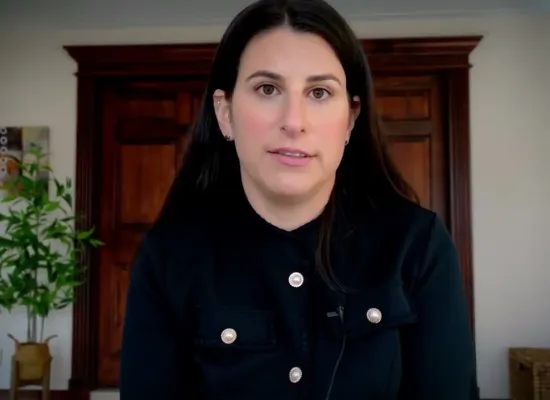

Zach's Patient Story: Myasthenia Gravis (MG)

In this video, Zach, who lives in Portland, Oregon, shares his experience living with myasthenia gravis (MG), a chronic neuromuscular autoimmune disease that disrupts communication between nerves and muscles, leading to muscle weakness that worsens with use. His symptoms began in 2013 with severe blurred vision that was initially misdiagnosed as a migraine. Over the next year and a half, he developed increasing weakness in his legs, shoulders, hips, and jaw, eventually needing a cane to walk. Despite repeated doctor visits, blood tests for common antibodies came back negative, delaying his diagnosis until his condition significantly deteriorated and more specialized testing confirmed MG in late 2015. Once diagnosed, he began treatment, including a short-acting intravenous medication that temporarily restored his muscle strength, followed by longer-acting oral medication and adjusted IVIG therapy to address both MG and his primary immune deficiency.

Zach highlights the financial and practical burdens of living with MG, noting the high costs of medications, insurance coverage, co-pays, and necessary medical equipment. He urges the managed care community to consider earlier access to newer therapies upon diagnosis to reduce prolonged suffering and disease progression. He also emphasizes the importance of support networks, as MG presents differently in each individual and can feel isolating for those newly diagnosed. Through writing fiction and nonfiction about disability and MG, Zach has found purpose and a sense of identity beyond his illness. He encourages others to understand that while life with MG brings challenges, a “new normal” can still be fulfilling and meaningful.

More Patient Stories

Transcript: 

I’m Zach. I live in Portland, Oregon, and I have myasthenia gravis.

Myasthenia gravis is a neuromuscular disease. That means it makes it hard for your nerves to connect with your muscles. It makes your muscles weak, and it makes them get weaker the more you use them. Most people who have weakness have it in specific places—like their eyelids, their jaws and faces, their neck, their shoulders, and their hips. I’m especially affected in my shoulders, hips, and jaw.

The first symptoms appeared in 2013, and I got my diagnosis at the end of 2015. The first symptom I had of myasthenia gravis was really severe vision blurring, and that sent me to the emergency room. But they said it was a migraine and sent me home.

What really became the biggest problem, though, was that I started having trouble lifting my legs. I thought, “Wow, I really need to hit the gym.” But that also sent me to the doctors repeatedly—like, something’s wrong, something’s wrong—and I wasn’t getting any answers. That went on for about a year and a half before it became much, much worse.

I started having so much trouble walking that I carried a cane. And even with a cane, I was really unsteady. I knew something was very wrong, but it took a while before they sent me to a neurologist.

The first tests they did were blood tests for various autoantibodies, and my test came back negative. It wasn’t until I almost couldn’t walk at all that they did a different type of test that determined that, yes, I did have myasthenia gravis. At that point, I started treatment.

They give you an IV of a very short-acting medication, and almost instantly I felt like my muscles came back alive. I felt like I could hold my head up. I felt like I had strength in my face to make facial expressions. And then it lasts about five minutes, and then the drug wears off.

The good news is that there is a longer-acting form of it that you can take as a pill, and so they started me on that. But it metabolizes fast, and then the symptoms come back.
I also have a primary immune deficiency, and one of the primary treatments is IVIG, but it’s at a dose of about 0.5 grams per kilogram. At that dose, it doesn’t immune-modulate—it just replaces what’s missing. However, using IVIG to treat autoimmune diseases like myasthenia gravis, you need a dose of 1 gram per kilogram or 2 grams per kilogram. So they doubled my dose.

What I would say to the managed care community is that living with MG is extremely expensive. It costs money for the co-pays for drugs. It costs money to have the insurance level that you need to even get treatment. It costs sometimes an insane amount of money to get equipment.

The best course would be: this patient has been diagnosed with myasthenia gravis—we are immediately going to put them on one of these newer drugs.
When you’re new to MG, it’s really helpful to have people with experience around you, because MG presents in as many different ways as there are people who have it. I would strongly recommend contacting one of the support organizations and, ideally, going to a group meeting.

The thing that I feel like people who are new to the disease need to know—and the thing that I needed to know and eventually figured out—is that your new normal can still be a good normal. You can be happy. It doesn’t have to change who you are fundamentally as a person.

I tell people I’m a professional sick person, but I do think of the things that I do as full-time jobs. I write fiction. I write non-fiction about myasthenia gravis and disability. That gives me purpose, and I can continue to be functional.

I’m Zach, and I’m living with myasthenia gravis.

Related