
In this episode of Unscripted - The AMCP Podcast, guest host Ryan Haumschild, PharmD, MS, MBA, CPEL, Vice President of Pharmacy at Emory University and Emory Health Plan, Winship Cancer Institute, discusses the real-world impact of non-medical switching in chronic lymphocytic leukemia (CLL) and small lymphocytic lymphoma (SLL) with Timothy Mok, Manager of Clinical Utilization Intelligence at Kaiser Permanente and board-certified oncology pharmacist, focusing on the drivers behind switching, the risks of disrupting effective therapy, and how shared decision-making and dose modification can help maintain adherence and improve patient outcomes. Sponsored by Abbvie.

Reports Outline Follicular Lymphoma Study Results from Denise Wolff et al (AMCP Market Insights: Managed care approaches to bispecific antibodies with a focus on follicular lymphoma and diffuse large B-cell lymphoma): Oncology – Follicular Lymphoma
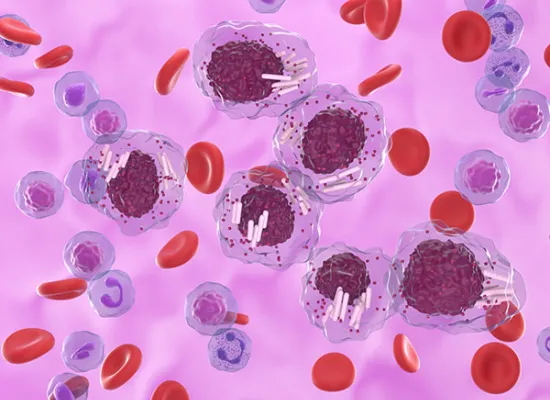
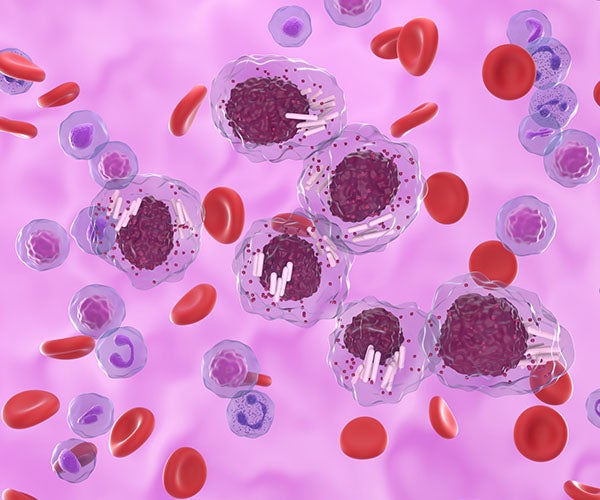
Chronic lymphocytic leukemia (CLL) is a chronic lymphoproliferative disorder (lymphoid neoplasm). It is characterized by a progressive accumulation of functionally incompetent B lymphocytes, which are usually monoclonal in origin.
Hear from a panel of experts discuss the role of BTKi's in the management of chronic lymphocytic leukemia (CLL)
Chronic lymphocytic leukemia (CLL) is a chronic
lymphoproliferative disorder (lymphoid neoplasm).
It is characterized by a progressive accumulation of
functionally incompetent B lymphocytes, which are
usually monoclonal in origin.
This non-promotional, sponsored webinar will review health plan best practice recommendations for Chronic Lymphocytic Leukemia (CLL) with an impressive panel of oncology and managed care experts.
Recommendations for treatment initiation in CLL are stratified by disease stage using either the Rai staging system, which defines disease as low-, intermediate-, or high-risk; or the Binet staging system, which defines disease as stage A, B, or C based on the number of lymphoid areas involved and the presence of anemia or thrombocytopenia. Generally, treatment should be initiated in patients with active or progressive disease who are intermediate- or high-risk, or stage B or C.